
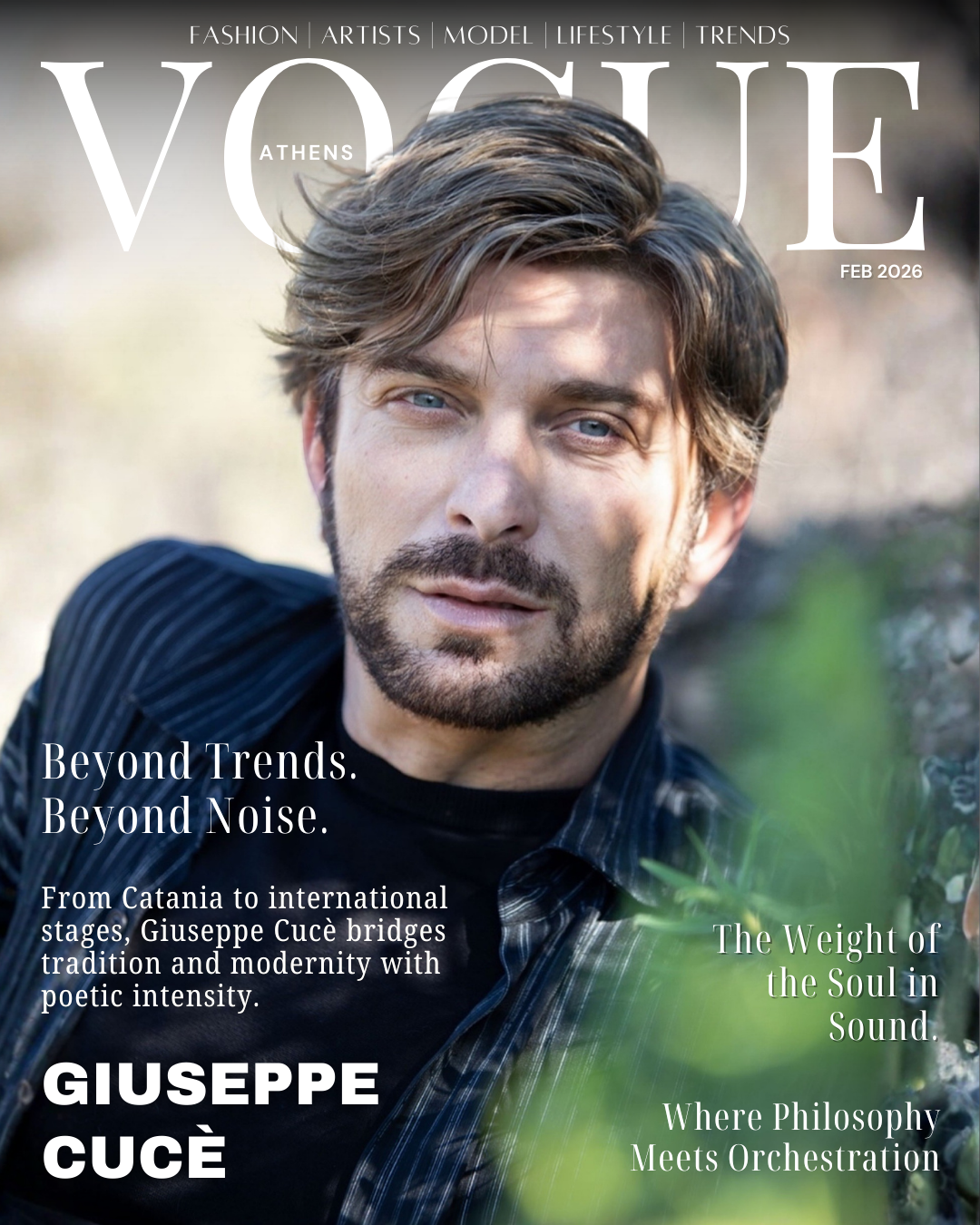
A Sicilian Songwriter Building a Timeless Artistic Universe
In an era dominated by algorithms, instant virality, and disposable sound bites, Giuseppe Cucè stands apart as an artist committed to depth, coherence, and artistic construction. His journey did not begin with a viral single or a television breakthrough. It began quietly — with songwriting.
Rooted in Sicily, shaped by Mediterranean intensity, and driven by philosophical inquiry, Cucè has built his career step by step, album by album, always prioritizing meaning over momentum. For him, music is not simply entertainment. It is reflection. It is narrative. It is spiritual exploration.
The Beginning: Songwriting Before Visibility
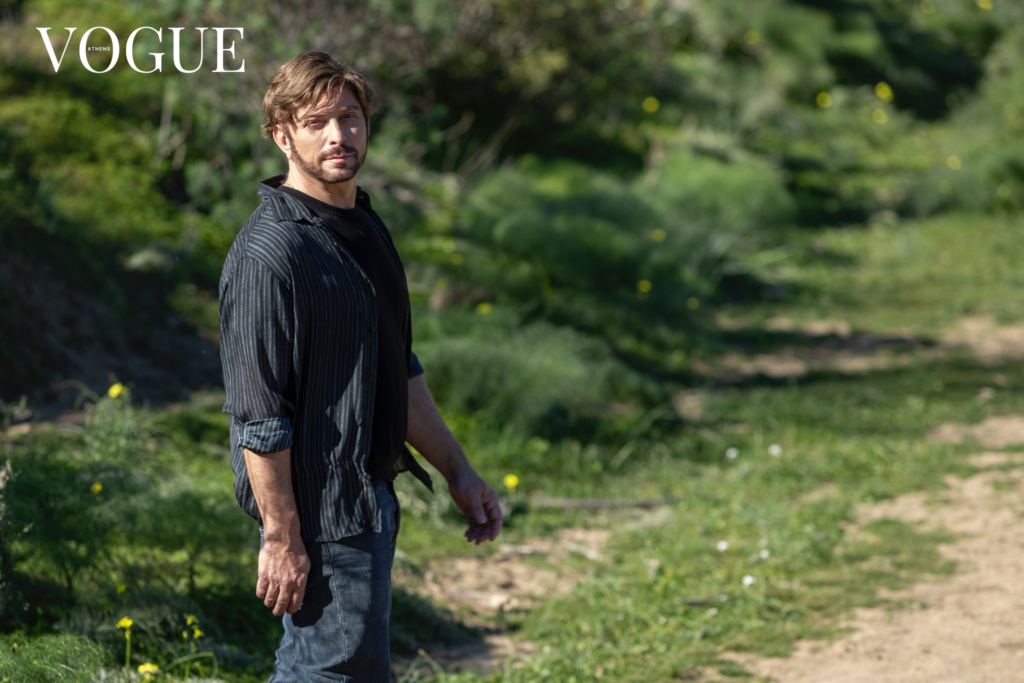
Giuseppe Cucè officially began his professional career in 2009 with the release of his debut album, La mela e il serpente. Yet his artistic path started long before that milestone.
Before thinking about positioning, branding, or audience metrics, Cucè immersed himself in writing. He developed his voice independently, exploring themes of identity, love, spiritual tension, and the contradictions of modern society.
From the outset, he chose an author-driven path. Rather than chasing quick visibility, he focused on live performances, compositional development, and refining his artistic language. The release of his second major project, Attraversando Saturno, marked another stage in that evolution — a deeper, more structured work that expanded both his sonic palette and conceptual depth.
His career did not explode overnight. It grew organically, shaped by discipline and a long-term vision.
Sicily as an Inner Landscape

To understand Giuseppe Cucè’s music, one must understand Sicily — and more specifically, Catania. The Mediterranean light, the volcanic landscapes, and the cultural contrasts of the island deeply inform his aesthetic.
Sicily carries intensity: beauty and contradiction, spirituality and realism, tradition and modernity. These dualities echo in Cucè’s songwriting. His compositions reflect emotional weight, introspection, and philosophical inquiry — qualities shaped by the environment in which he grew up.
Rather than separating sound from identity, Cucè integrates geography into his artistic DNA. The Mediterranean sensibility is not a stylistic ornament; it is structural. It influences his arrangements, his lyrical themes, and his cinematic atmospheres.
The Evolution Toward Cinematic Sound

Over time, Cucè’s music evolved from intimate songwriting into something more expansive and orchestral. He gradually moved toward analog production and cinematic arrangements, building layered compositions that invite immersion rather than quick consumption.
This artistic maturation culminated in his concept album 21 grammi.
The title references the metaphorical “weight of the soul” — a symbolic idea suggesting that something intangible carries profound substance. The project marked a turning point, both musically and conceptually. It allowed Cucè to fully express his vision through orchestral instrumentation, analog textures, and a cohesive narrative arc.
Unlike fragmented singles engineered for streaming cycles, 21 Grammi unfolds as a cohesive, immersive body of work. It functions less like a playlist and more like a carefully scored film — each track seamlessly flowing into the next, guided by sweeping orchestral arrangements, warm analog textures, and strings that feel almost tactile. There’s a cinematic grandeur woven through its foundation, enriched by subtle Mediterranean tonalities — sun-warmed melodies, earthy percussion, and harmonies that echo coastal landscapes. Rather than chasing immediacy, the album breathes with intention, inviting listeners into a deliberate, timeless atmosphere where every composition contributes to a larger philosophical meditation on weight, memory, and the human spirit.
Filling the Gap: Bringing Depth Back to Contemporary Music

Cucè openly acknowledges that today’s music landscape is fast, hyper-digital, and often minimal in structure. While he does not criticize modern production, he identifies what he perceives as a gap: emotional and conceptual weight.
His mission is to reintroduce storytelling and philosophical depth into contemporary music.
Where much of modern sound leans toward synthetic minimalism, Cucè favors orchestral arrangements and real instruments. Where trends move quickly, he chooses patience. Where immediacy dominates, he chooses reflection.
His goal is not simply to create songs that are heard. He aims to create music that is experienced — music that invites listeners to pause, to think, to feel.
In doing so, he also bridges a cultural gap. Cucè blends Mediterranean heritage with international cinematic sensibility, creating a sound that feels rooted yet globally resonant.
What Makes Him Unique: Coherence Over Noise
When asked what makes him unique, Cucè does not point to genre innovation or market differentiation. Instead, he speaks about coherence.
For him, music is a complete artistic universe. Sound, philosophy, visual identity, orchestration, and narrative are inseparable components of a unified concept. Every project is built as a journey — emotionally and aesthetically.
His approach avoids shortcuts. He works with real instruments, structured compositions, and carefully constructed arrangements. His themes often revolve around existential reflection:
- The weight of the soul
- Identity and contradiction
- Memory and transformation
- The tension between spirituality and reality
Uniqueness, in his perspective, is not about volume or spectacle. It is about integrity.
In an industry where reinvention can sometimes mean fragmentation, Cucè’s identity evolves without losing its core.

Redefining Success: Beyond Numbers
For Giuseppe Cucè, success is not measured exclusively by charts, streams, or social metrics.
Success, he says, is coherence sustained over time. It is the ability to build an artistic identity that evolves while remaining authentic.
The most meaningful validation, for him, comes when listeners share that a song helped them reflect or better understand themselves. That emotional resonance outweighs numerical performance.
Creative freedom is another essential dimension of success. Being able to choose his artistic direction without compromising integrity defines achievement more than fleeting popularity.
Success, in Cucè’s philosophy, is not a peak. It is continuous construction.
A Defining Milestone: International Recognition

The release of 21 grammi marked more than a conceptual milestone — it also brought international recognition. The album received reviews and media coverage across Europe, the United States, and Latin America.
For Cucè, this response confirmed something important: deeply personal, culturally rooted music can resonate beyond geographical boundaries.
The milestone was not only about exposure. It validated his decision to follow an independent and author-driven path rather than conforming to industry formulas.
Seeing his work travel internationally reinforced his belief that authenticity can transcend language and cultural context.
Looking Forward: Expansion and Evolution

While 21 Grammi represented a profound chapter, Cucè views it not as a final statement, but as a pivotal moment within an ongoing artistic journey.
His future projects signal expansion — both thematically and geographically.
What began as deeply introspective exploration is gradually evolving into a broader reflection on the world beyond the self. While maintaining his orchestral and analog foundation, Cucè is now integrating a more socially aware perspective into his work. His upcoming material moves beyond personal transformation to engage with themes of identity, conflict, and collective change in contemporary society. This shift marks a natural progression in his artistic path — from inward contemplation toward a dialogue between the individual and the world.
In parallel, Cucè is developing Spanish-language projects that weave Mediterranean and Latin influences into his cinematic arrangements. This international direction reflects a desire to build bridges between cultures while preserving artistic coherence and philosophical depth.
He is also exploring parallel creative concepts — alternative sonic identities that expand his expressive range while remaining aligned with his core vision.
For Cucè, the future is not defined by isolated releases. It is shaped by interconnected artistic experiences — albums, visuals, and live performances conceived as unified narratives.
The Long Process of Artistic Construction
Perhaps the most defining aspect of Giuseppe Cucè’s career is its intentional pace.
He did not build his path through viral acceleration. He built it through steady refinement. Writing. Experimenting. Revising. Reimagining.
This long process of artistic construction shapes not only his music but his philosophy. In a culture that rewards immediacy, he embraces duration. In a world driven by speed, he chooses weight.
His work stands as a reminder that depth still has space in contemporary music — and that authenticity, when sustained over time, can travel far beyond its place of origin.
A Mediterranean Voice for a Global Audience

Giuseppe Cucè’s journey is ultimately about resonance — transforming lived experience into something that reaches beyond personal boundaries.
From Sicily’s volcanic landscapes to international listeners, his music carries a consistent thread: the search for meaning.
In blending poetry, philosophy, and orchestral sound, he offers a counterpoint to disposable culture. His projects are not designed for momentary distraction but for lasting reflection.
And perhaps that is the true “weight” he carries into the modern music landscape — not 21 grams of metaphorical substance, but the enduring gravity of artistic coherence.