

By Sofia Kallistrate
How Strategy, Storytelling, and Leadership Shape Modern Media Power
In the modern media economy, influence rarely begins under the bright glare of cameras or on the red carpet. Long before a film premieres, before an entrepreneur steps on stage to unveil a new venture, and before a public figure’s story reaches audiences across continents, an invisible architecture is already in motion. Behind every carefully crafted public narrative stands a strategist—someone who understands that visibility is rarely accidental.
Few executives embody this strategic discipline more precisely than Raquel Riley Thomas, founder and chief executive of An Officer and Gentlewoman, LLC. Through a unique blend of public relations, talent management, brand development, and film production, Thomas has built a company that functions less like a traditional agency and more like a strategic command center for influence.
In an era defined by speed, global media cycles, and the constant evolution of digital storytelling, Thomas has distinguished herself by focusing on something more enduring: narrative infrastructure. For her, influence is not merely about publicity; it is about positioning—an intentional design of how stories move through culture, industry, and public perception.
Her work reflects a broader shift within the media landscape, where executives must think not only about visibility but about longevity, narrative coherence, and global resonance.
Building the Infrastructure of Influence
When Raquel Riley Thomas founded her company, she did not set out to replicate the structure of existing public relations agencies. Instead, she recognized a critical gap in how influence was being managed.
Traditional agencies often specialize in a single function: press relations, talent representation, or brand consulting. Thomas saw something different. She understood that public identity—especially for figures operating at the intersection of entertainment, entrepreneurship, and culture—is multidimensional.
Influence, in other words, requires architecture.
Her company was designed as an ecosystem capable of managing the entire narrative environment surrounding a client. Media strategy, brand positioning, editorial placements, partnerships, and production all operate within a coordinated framework.
The result is a model that allows the firm to guide not only how clients appear in public but how their stories evolve over time.
Within industry circles, the company has earned recognition as a highly strategic player in international media. Thousands of media placements, multiple awards, and a roster of high-profile clients across film, business, and cultural leadership demonstrate the scale of its reach.
Yet Thomas herself frames the mission in simpler terms: building durable positioning rather than fleeting publicity.
Narrative as Architecture

Thomas frequently describes storytelling as architecture—a phrase that reveals much about how she approaches influence.
Architecture requires deliberate design. It involves structure, sequencing, and long-term planning. In the same way that buildings are constructed through layers of engineering and intention, public narratives must be assembled carefully if they are to endure.
For many public figures, media exposure happens sporadically: an interview here, a campaign there, an appearance at a major event. But sustained influence emerges when those moments form a coherent narrative arc.
Thomas and her team approach each client’s career as a long-term narrative structure. Early media placements may introduce an individual to new audiences. Strategic interviews deepen credibility. Partnerships expand visibility into new sectors. Film or production projects can position clients as creative leaders rather than simply participants in the industry.
Each step builds momentum.
The goal is not simply to create attention but to design a rhythm of public engagement that feels both authentic and sustainable.
In an industry often driven by immediacy, this long-view perspective has become one of the defining characteristics of Thomas’s leadership.
Navigating the Global Media Landscape

Over the past decade, the media environment has transformed dramatically. Social platforms have accelerated the speed of information. Streaming services have reshaped entertainment distribution. Digital journalism and global online audiences mean that stories can travel across continents in a matter of hours.
For media strategists, these shifts have created both unprecedented opportunities and new risks.
Thomas approaches this landscape with a global mindset. Every project, campaign, or interview must be considered not only for its impact in one market but for how it may resonate internationally.
A film released in the United States may attract audiences in Europe, Asia, or the Middle East within days. A single media appearance can spark conversations across multiple cultural contexts.
This interconnectedness has made strategic foresight more important than ever.
Rather than reacting to trends, Thomas emphasizes preparation and narrative clarity. When a story enters the global media ecosystem, its trajectory should already be carefully considered.
This philosophy allows her firm to operate effectively across entertainment, business, and cultural sectors while maintaining consistent narrative alignment.
Selecting Visionary Clients

One of the most distinctive elements of Thomas’s approach is her emphasis on vision when selecting clients.
Rather than focusing solely on current popularity or visibility, she looks for individuals who are building something meaningful—people whose work reflects ambition paired with purpose.
This might include filmmakers exploring complex social narratives, entrepreneurs redefining industries, or artists expanding cultural conversations.
The common denominator is clarity of vision.
When a client understands what they want their work to represent, Thomas and her team can amplify that vision through carefully constructed media strategies. Editorial features, industry partnerships, and creative projects become extensions of the client’s broader narrative.
This alignment between purpose and strategy often leads to stronger, more authentic engagement with audiences.
Beyond Visibility: Building Legacy
One of the recurring themes in Thomas’s leadership philosophy is the distinction between visibility and legacy.
Visibility is relatively easy to achieve in the digital age. Viral moments, trending headlines, and social media exposure can propel individuals into the public eye almost instantly.
But sustaining influence over years—or decades—requires something far more deliberate.
Thomas encourages clients to think in terms of foundations rather than moments. Strategic storytelling, thoughtful collaborations, and consistent brand alignment create a framework that supports long-term relevance.
Instead of chasing temporary attention, the objective becomes creating a body of work that evolves naturally over time.
This perspective reflects a deeper understanding of how cultural influence develops. Many of the most respected figures in media and entertainment did not achieve recognition through a single moment but through a series of carefully built milestones.
Thomas’s role, in many ways, is to help design those milestones.
From Promotion to Creation
Another defining element of the company’s structure is its integration of film and content production.
For Thomas, production represents a powerful extension of strategic storytelling.
While public relations and talent management shape how narratives are communicated, production allows the company to shape those narratives from their origin. By developing films and media projects, the firm can support stories that may otherwise struggle to gain visibility within traditional industry frameworks.
This creative dimension also opens new opportunities for clients.
Actors may step into producing roles. Entrepreneurs can participate in documentary storytelling. Cultural leaders can bring new perspectives to the screen.
Through production, clients move from being subjects of narratives to becoming creators of them.
This shift from promotion to creation reflects a broader transformation in modern media, where influence increasingly belongs to those who control both storytelling and distribution.
Leadership Forged in Discipline
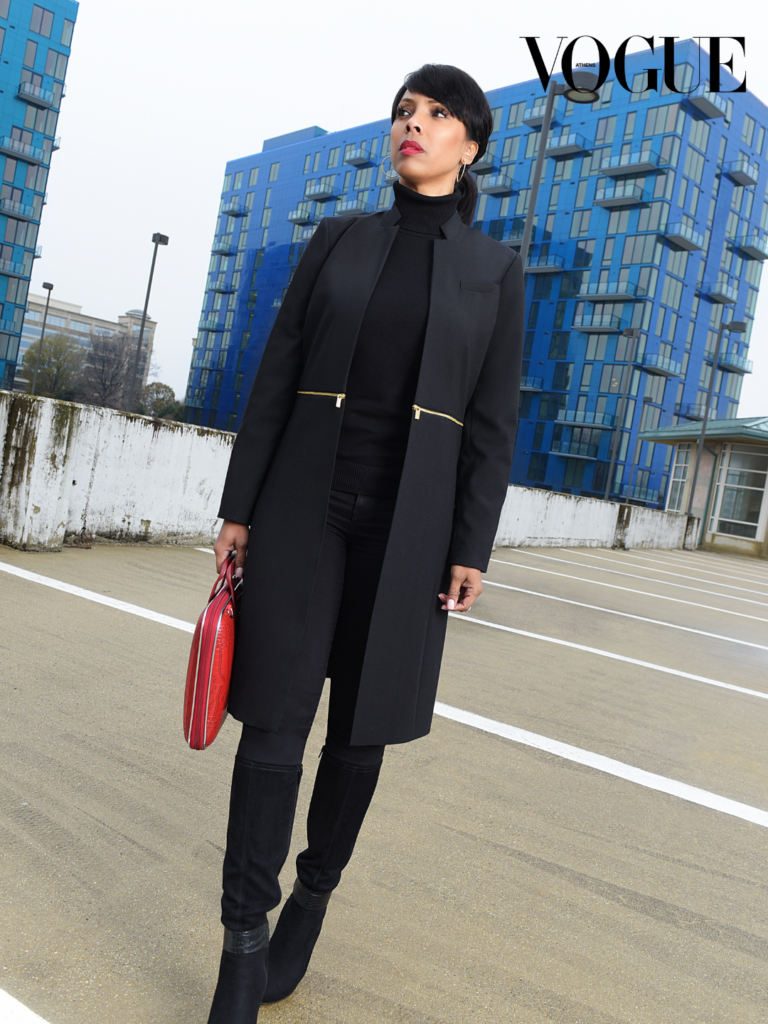
Before entering the media industry, Raquel Riley Thomas built her leadership foundation in the military—a background that continues to shape her approach to business.
Military training emphasizes discipline, preparation, and accountability. These principles translate remarkably well into the fast-moving environment of entertainment and media.
Projects often evolve rapidly. Deadlines shift. Public narratives can change overnight. In such conditions, leadership grounded in structure becomes essential.
Thomas approaches challenges with a methodical mindset: prepare thoroughly, lead with integrity, and execute with precision.
This disciplined approach allows her team to remain adaptable without losing strategic focus.
It also reinforces a culture of professionalism within the company—an environment where creative vision and operational excellence coexist.
The Future of Media and Influence

As media continues to evolve, Thomas believes the next era will be shaped by leaders who understand both storytelling and infrastructure.
Creative vision alone is no longer enough. To reach global audiences effectively, that vision must be supported by strategic frameworks capable of navigating an increasingly complex media ecosystem.
Projects now travel across borders almost instantly. Cultural conversations unfold simultaneously on multiple platforms. Audiences engage with content in ways that were unimaginable just a decade ago.
Executives who recognize this interconnectedness—and who build systems capable of supporting it—will define the future of the industry.
Thomas’s career offers a glimpse into that future.
Her company operates at the intersection of strategy, creativity, and cultural influence. It demonstrates how modern media leadership requires both artistic sensitivity and strategic discipline.
A Legacy of Opportunity
For Thomas, the motivation behind expanding her company’s global reach is ultimately rooted in opportunity.
The media landscape is filled with untold stories—voices, perspectives, and ideas waiting for the right platform to reach audiences. Helping shape those narratives is both a professional responsibility and a creative privilege.
But her ambitions extend beyond individual projects or campaigns.
She is building a company designed to create opportunities not only for clients but for future storytellers, producers, and executives who will shape the next generation of media.
In conversation, Raquel Riley Thomas speaks with a calm clarity that reflects years of navigating complexity. She understands the creative energy that drives entertainment and the strategic precision required to transform that energy into influence.
In a world where attention often moves at lightning speed, her approach remains grounded in something far more enduring.
Architecture.
And in the architecture of modern influence, few builders are working with greater precision.
Credits ➖
Photographer :- Ali Rizvi