
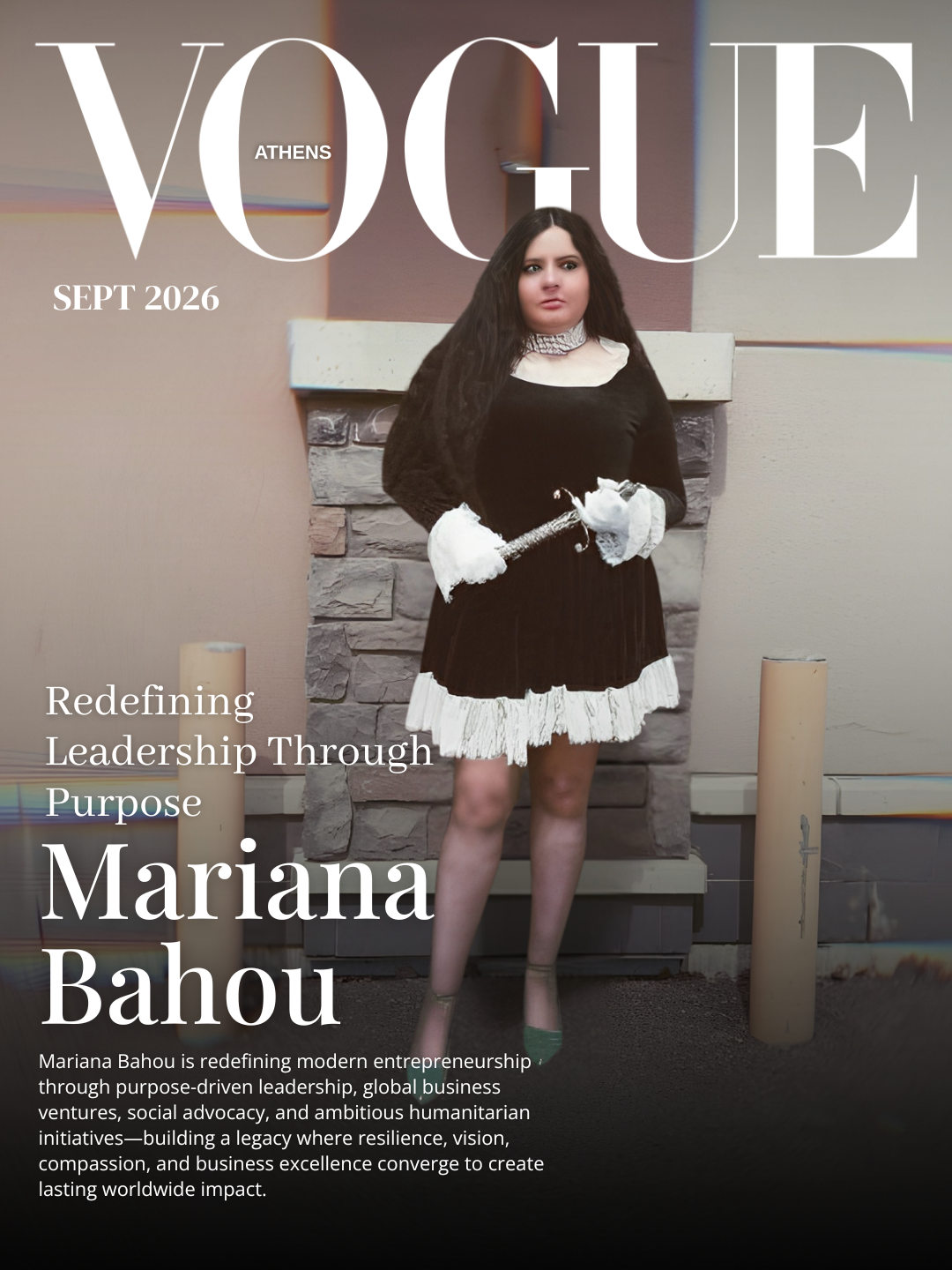
From HR consulting and cosmetics to social campaigns and an ambitious anti-poverty initiative, Mariana Bahou is building a portfolio of ventures and causes around one central idea: business can be a vehicle for meaningful change.
For Mariana Bahou, entrepreneurship has never been solely about building companies.
A model, actress, entrepreneur, and founder, Bahou has developed her professional journey around a broader philosophy of purpose, resilience, service, and responsibility. As the founder of La Mariana Management HR Consulting and later MarianaSignature Cosmetics, she has pursued opportunities across business while simultaneously developing campaigns and initiatives focused on social issues.
Her story is unconventional by design. It combines corporate consulting, beauty, advocacy, humanitarian ambitions, and a deeply personal spiritual worldview. At the center of it all is her belief that entrepreneurship should ultimately contribute to something larger than commercial success.
“Success without purpose is meaningless,” Bahou says.
That philosophy has become the thread connecting the different chapters of her career.
From Consulting To A Purpose-Driven Business
Bahou founded La Mariana Management HR Consulting with a focus on helping organizations navigate complex business and human-resource challenges.
Over time, she says the company evolved beyond conventional consulting, particularly as clients confronted increasingly complicated economic, organizational, and operational circumstances. Her emphasis became helping businesses remain resilient, adapt to difficult conditions, and continue serving their customers and teams.
For Bahou, that work represents an important but often overlooked side of entrepreneurship: keeping businesses functioning when circumstances become difficult.
The company’s work and recognition have contributed to Bahou’s positioning as an entrepreneur focused not simply on growth, but on problem-solving.
Her approach is rooted in a belief that organizations are ultimately built around people. Human resources, therefore, becomes more than an administrative function. It becomes a strategic component of organizational stability, leadership, culture, and long-term sustainability.
That perspective would eventually influence the larger social projects she began developing.
Building Beauty Around Individuality
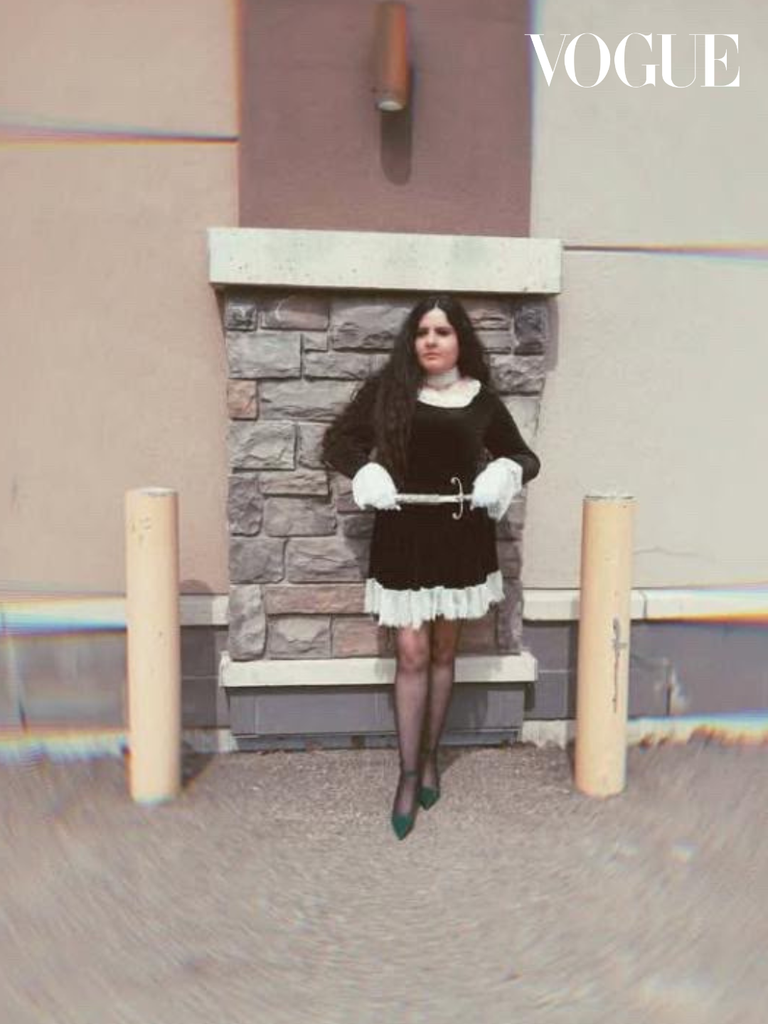
Bahou later expanded her entrepreneurial portfolio with MarianaSignature Cosmetics, entering an industry where personal identity, confidence, and representation intersect with business.
Her experience as a model and actress gave her a direct connection to the beauty and entertainment industries. Rather than viewing cosmetics solely as a product category, she approached the brand as another opportunity to communicate ideas about confidence, individuality, and authenticity.
The move also demonstrated another characteristic of Bahou’s entrepreneurial philosophy: diversification.
Her career has moved between consulting, beauty, entertainment, and advocacy without treating those fields as isolated worlds. Instead, she sees them as different platforms through which she can communicate and create opportunities.
When Entrepreneurship Meets Advocacy
Outside her companies, Bahou has spent years supporting campaigns and initiatives addressing issues she considers important to society.
Among the areas she has highlighted are freedom of speech, animal welfare, and anti-trafficking efforts.
For Bahou, advocacy developed naturally from her broader understanding of responsibility.
She describes her journey as an investigation into what she considers longstanding social problems—issues that cannot always be solved through conventional business models alone.
Her approach has been to bring people together, examine problems from multiple perspectives, and look for practical mechanisms capable of producing long-term outcomes.
It is an approach that has increasingly shifted her attention toward one of the world’s most persistent challenges: poverty.
The Business Plan: An Ambition To Address Poverty
One of the most ambitious initiatives associated with Bahou is what she calls the Business Plan, a public-oriented project designed around helping people experiencing poverty access housing, employment, and support.
The concept is straightforward in principle but substantial in scale: rather than approaching poverty exclusively through short-term assistance, the initiative seeks to connect people with the foundations necessary to rebuild their lives.
Housing can provide stability.
Employment can provide income.
Support systems can provide the bridge between the two.
Bahou says the initiative was proposed to government stakeholders and has developed an international dimension, with participation or engagement from 94 countries and counting, according to her organization.
The broader philosophy behind the project reflects Bahou’s business background. Instead of viewing social challenges exclusively through charitable intervention, she approaches them through systems, resources, collaboration, and organizational structures.
That distinction matters.
For an entrepreneur accustomed to solving business problems, poverty becomes another complex system requiring coordination, infrastructure, accountability, and sustained commitment.
The ambition is not simply to help someone survive a difficult period, but to create conditions in which that person can regain independence.
A Different Definition Of Leadership
Bahou’s leadership philosophy has been shaped by experiences that she describes as both professional and deeply personal.
She speaks about periods of isolation, healing, reflection, and spiritual discovery that influenced her understanding of leadership and purpose.
Her worldview includes a strong belief in God, divine guidance, and what she describes as a connection to a royal ancestral identity. She describes herself as a “Royalist” and believes her family has a historical and spiritual connection to the French monarchy.
These beliefs are central to her personal identity and to the mission she describes for the future.
Bahou says her interest in the restoration of the French Monarchy emerged from this worldview and that work connected to the cause has developed through efforts in Canada and Europe.
She describes the restoration project as a public-facing mission intended to communicate what she believes is the return of a royal lineage and its potential role in serving society.
Her beliefs around royal reincarnation and past-life healing are similarly part of her personal spiritual framework.
For Bahou, however, the significance extends beyond symbolism. She views the concept as connected to healing, identity, responsibility, and service.
Where Business And A Larger Mission Converge

The intersection between Bahou’s commercial ventures and her social initiatives may ultimately be the defining characteristic of her entrepreneurial story.
La Mariana Management represents her corporate and consulting foundation.
MarianaSignature represents her entry into consumer beauty.
Her advocacy campaigns represent her social engagement.
And the Business Plan represents her attempt to apply structured problem-solving to a global humanitarian challenge.
Each operates differently, but they share a common principle: build something that can continue working beyond the individual who created it.
That principle is particularly important when discussing ambitious social initiatives.
Sustainable change rarely comes from a single campaign or a single individual. It requires systems, partnerships, resources, accountability, and people willing to continue the work long after the initial excitement disappears.
Bahou’s entrepreneurial experience has led her toward precisely that type of thinking.
The Entrepreneurial Lesson Behind The Mission
There is a broader lesson within Bahou’s unconventional career.
Entrepreneurship does not always follow a straight line.
A founder may begin in one industry, discover another opportunity, develop a social cause, and eventually find that all of those experiences inform one another.
Bahou’s trajectory—from human resources to cosmetics, modeling and acting to advocacy—illustrates that evolution.
The common denominator is not a particular industry.
It is purpose.
Her professional journey demonstrates her belief that business can create more than revenue. It can create employment, build communities, provide services, develop confidence, and potentially contribute to solving social problems.
That perspective has become increasingly relevant as entrepreneurs are asked to think about their impact alongside their financial performance.
Looking Toward The Future
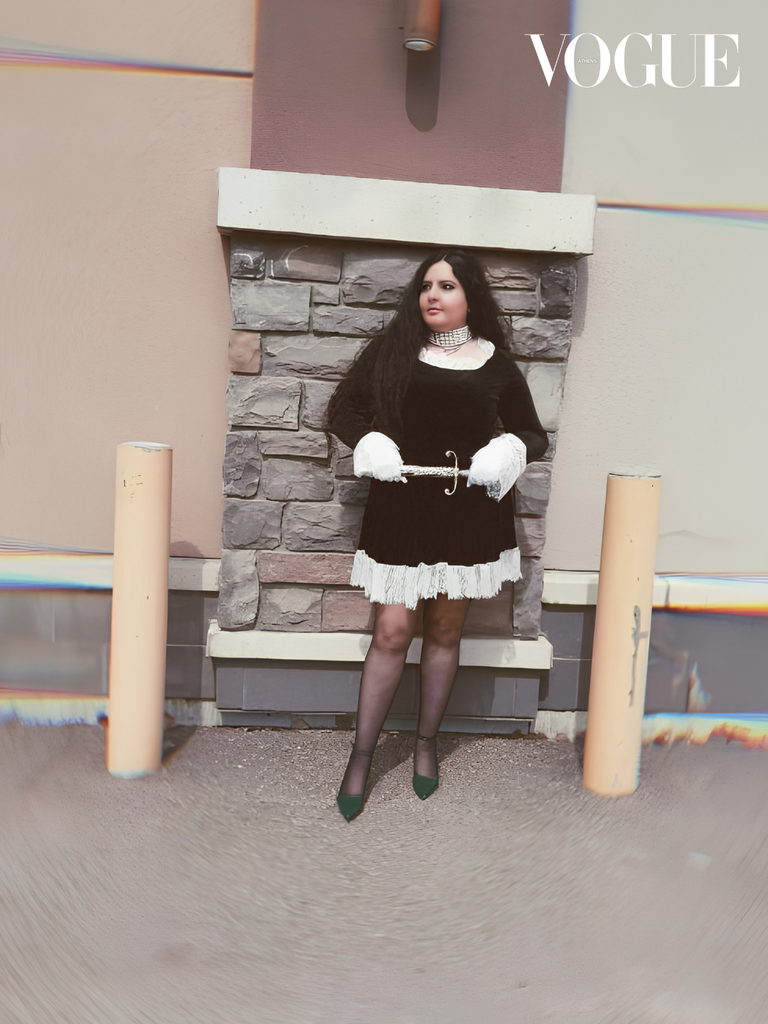
Bahou’s ambitions remain international.
She continues to develop La Mariana Management and MarianaSignature while advancing the Business Plan and other initiatives connected to her social and humanitarian goals.
At the same time, she intends to continue developing the public work surrounding the French Monarchy restoration, which she describes as an important part of her family’s mission and identity.
The scale of these ambitions is significant.
But perhaps the most revealing element is the motivation behind them.
Bahou does not describe her journey primarily through titles or achievements. Instead, she repeatedly returns to responsibility, faith, resilience, and service.
For her, entrepreneurship is not simply about occupying a position of influence.
It is about deciding what that influence should accomplish.
That distinction may ultimately define the next chapter of Mariana Bahou’s career.
Whether she is working with a business through La Mariana Management, developing a beauty brand, participating in advocacy campaigns, or pursuing her vision for the Business Plan, she continues to operate from the same underlying belief:
Purpose should be built into the business model—not added after success arrives.
And as Mariana Bahou continues expanding her ventures across industries and borders, her story is becoming less about the number of businesses she can build and more about what those businesses can ultimately contribute to the world around them.